Search
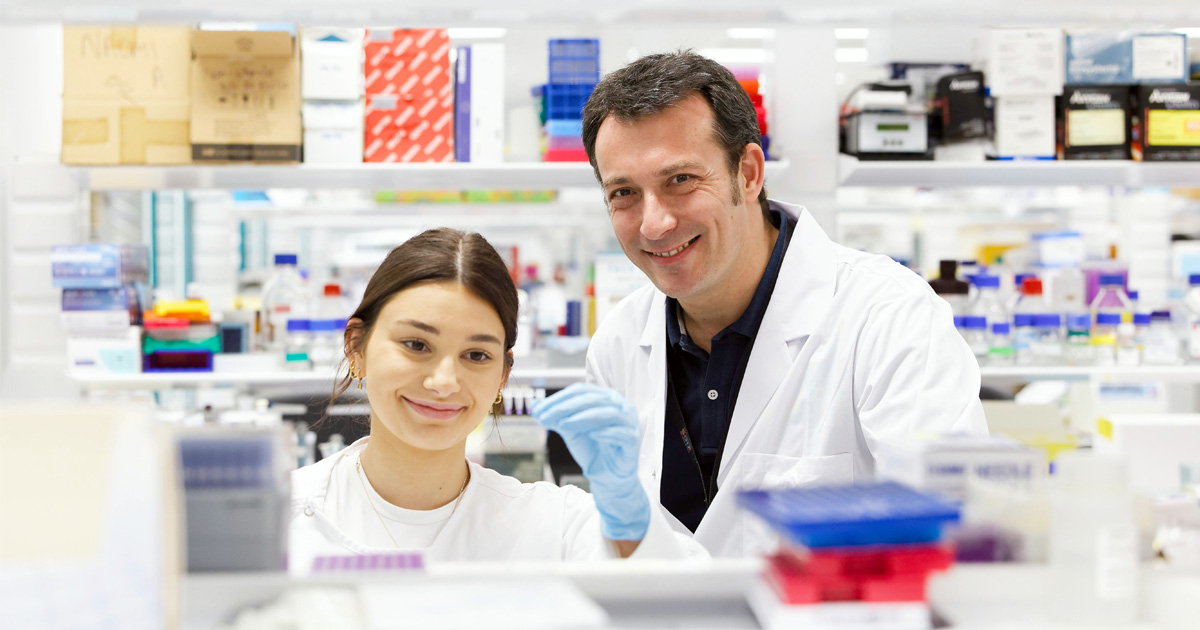
A team of world-leading scientists has secured $5 million in funding from the Leukaemia and Lymphoma Society to advance the fight against leukaemia in children with Down syndrome.
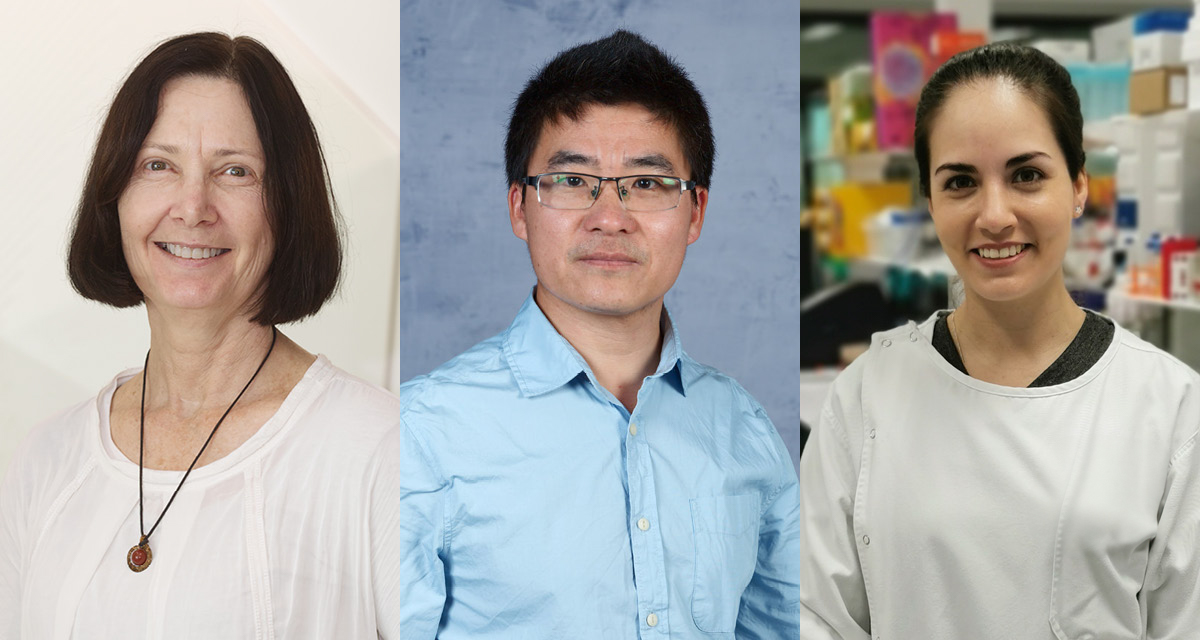
One of the researchers who helped crack the code of 10-year-old Northam girl Charlotte Patterson’s incredibly rare disease has received State Government funding that will allow her to use the same methods to rapidly assess the cases of hundreds more patients living with undiagnosed disease.
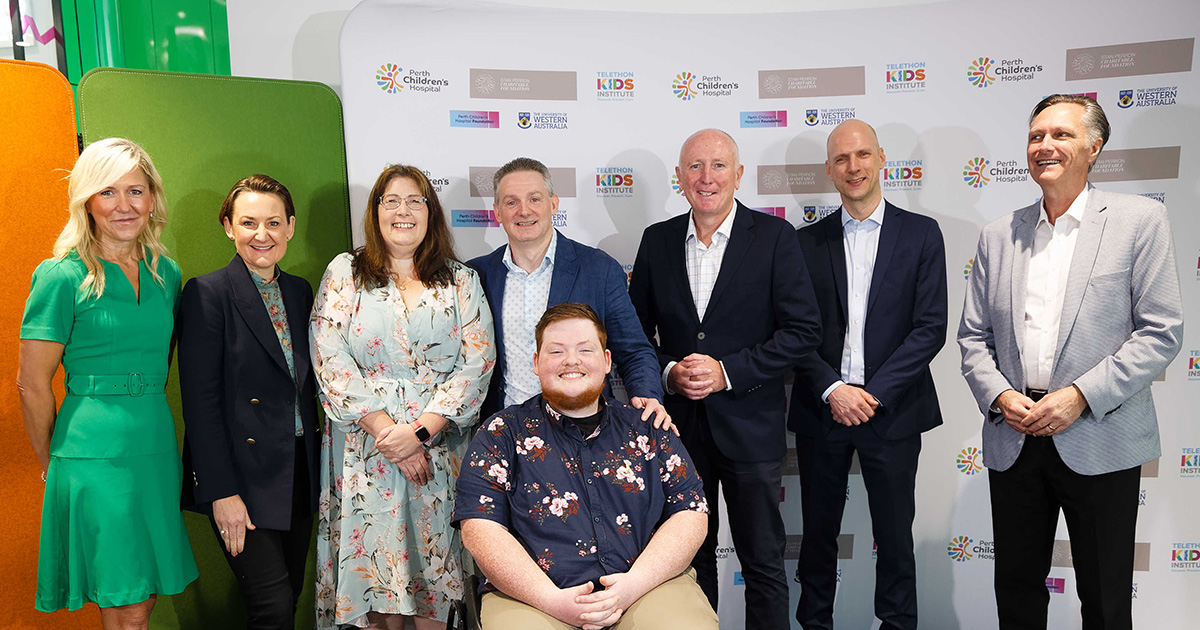
One of WA’s biggest ever philanthropic gifts will transform childhood cancer research and treatment by improving outcomes for children with cancer and discovering more effective and less toxic treatments.
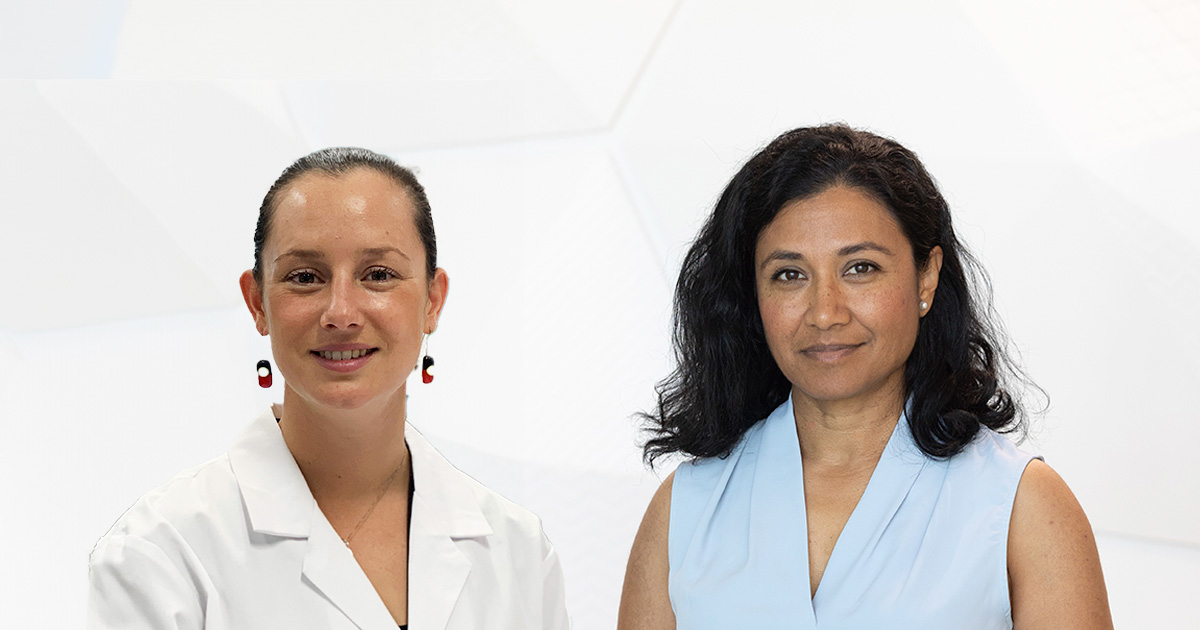
The generous support of Western Australians through Channel 7’s Telethon is helping to fund life-changing child health research, with two The Kids Research Institute Australia researchers awarded significant grants.
Dysphagia, one of the most common complications in head and neck cancer (HNC) treated with radiotherapy, can severely affect patients’ quality of life. Currently, because no “gold standard” treatment exists, swallowing exercise remains the main rehabilitation strategy for dysphagia. However, patients’ compliance with long-term swallowing exercise is only 40%, thus, greatly compromising outcomes. This article aims to analyze thefactors influencing swallowing exercise compliance in patients with HNC and explains strategies developed to date for improved rehabilitation outcomes.
KMT2A-rearranged acute lymphoblastic leukemia (ALL) in infants is an aggressive disease with 3-year event-free survival below 40%. Most relapses occur during treatment, with two thirds occurring within 1 year and 90% within 2 years after diagnosis. Outcomes have not improved in recent decades despite intensification of chemotherapy.
The mitogen-activated protein kinase (MAPK) pathway signaling pathway is one of the most commonly mutated pathways in human cancers. In particular, BRAF alterations result in constitutive activation of the rapidly accelerating fibrosarcoma-extracellular signal-regulated kinase-MAPK significant pathway, leading to cellular proliferation, survival, and dedifferentiation.
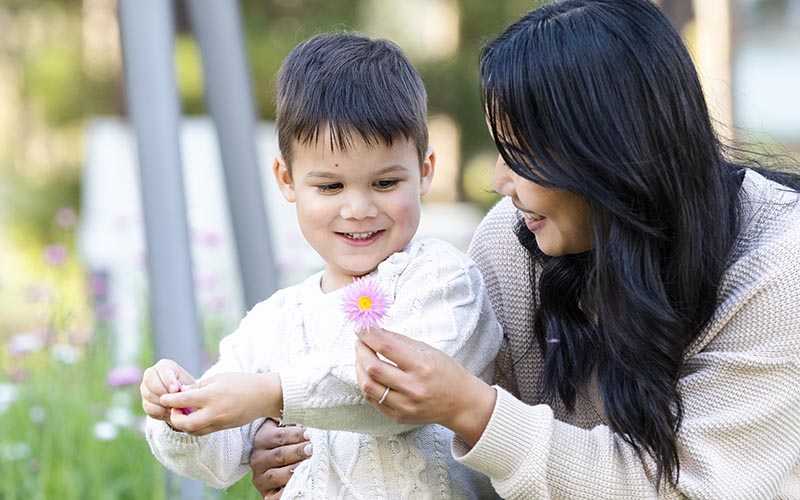
Several The Kids Research Institute Australia researchers will share in more than $7.5 million in prestigious Investigator Grants to pursue a range of innovative child health research.
A pilot clinical study, led in Australia by a The Kids Research Institute Australia and Perth Children's Hospital researcher, has found an immunotherapy drug can dramatically increase survival rates for babies with a rare form of leukaemia, paving the way for a major international clinical trial.
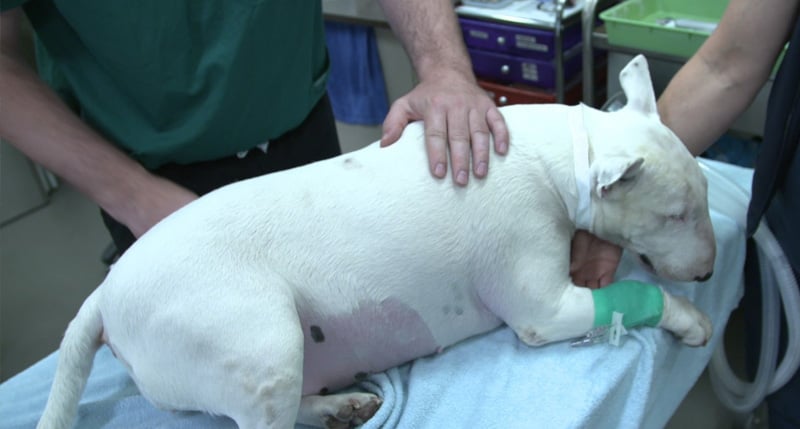
The Kids Research Institute Australia is leading a unique clinical trial in pet dogs that could pave the way for a new immunotherapy treatment for one of the most common childhood cancers, Sarcoma.