Search
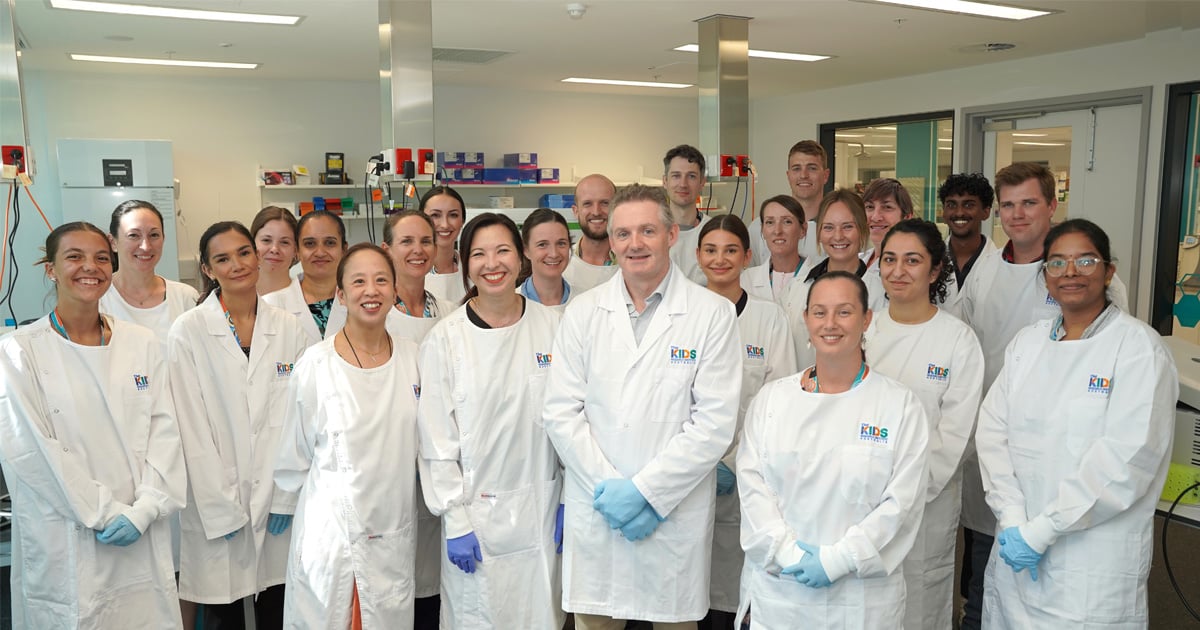
At The Kids Research Institute Australia, our Brain Tumour Research team is leading the charge to change the story for children diagnosed with brain cancer by working on safer, more effective treatments.
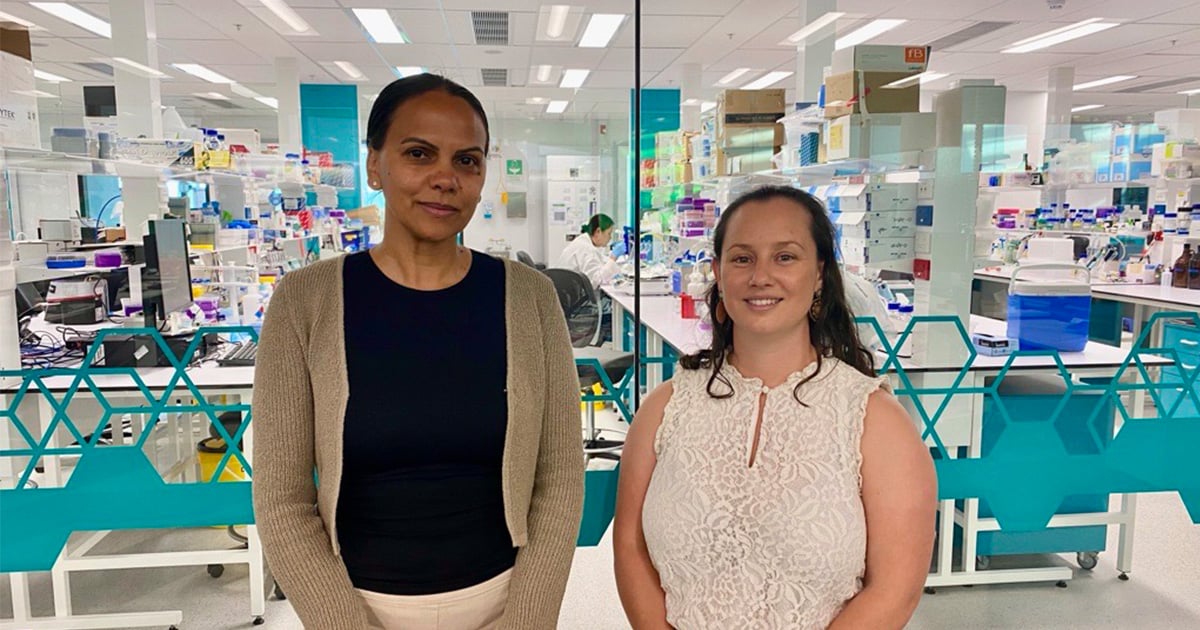
A review led by the First Nations Childhood Cancer team at The Kids Research Institute Australia has highlighted the urgent need for Indigenous-specific studies focused on cancer outcomes, survivorship and equity.
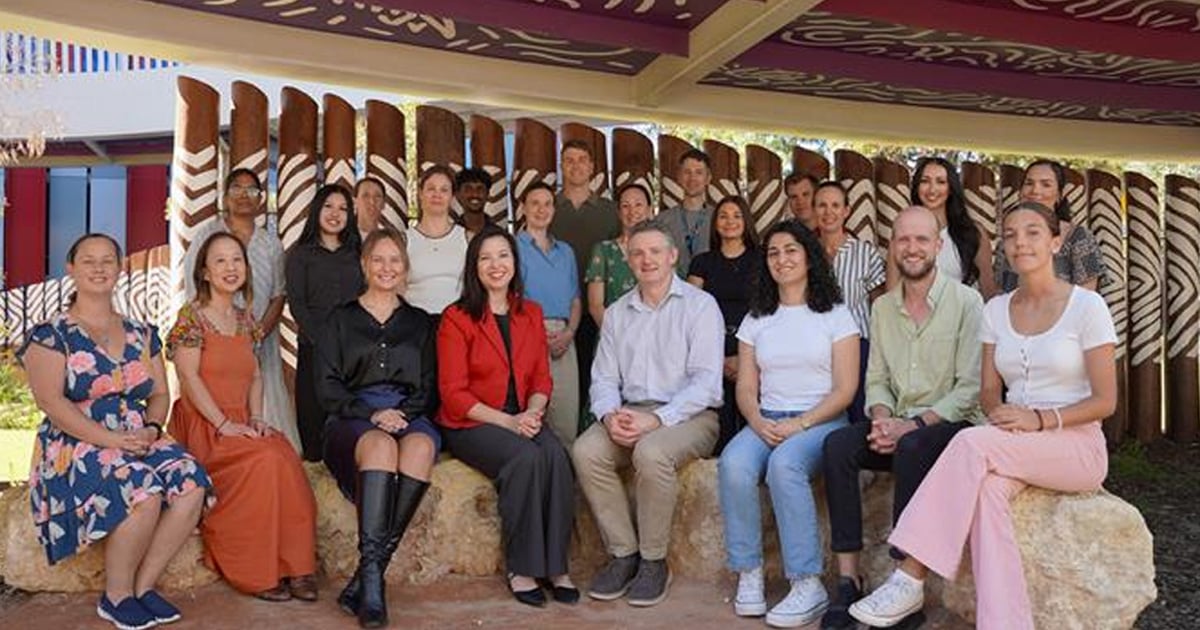
The Kids Research Institute Australia's Brain Tumour Research team will develop and implement cutting-edge technologies to revolutionise the speed of brain cancer diagnosis for WA children, thanks to more than $200,000 from Telethon.
A groundbreaking study from cancer researchers at The Kids Research Institute Australia has identified a promising new therapeutic strategy for children battling the most common childhood cancer – B-cell acute lymphoblastic leukaemia.
The WA Kids Cancer Centre has secured $1.1 million in funding from the Medical Research Future Fund’s (MRFF) Paediatric Brain Cancer Research Stream 2 to develop more effective and less toxic treatments for rare brain cancers in infants.
Associate Professor Rishi Kotecha, Co-Head of Leukaemia Translational Research at The Kids Research Institute Australia Cancer Centre and Consultant Paediatric Oncologist at Perth Children's Hospital, has been named Cancer Council WA’s 2024 Cancer Researcher of the Year.
Congratulations to three outstanding The Kids Research Institute Australia researchers who have received second chance WA health funding designed to support researchers who have narrowly missed out on highly competitive national funding.
Four The Kids Research Institute Australia researchers have received prestigious fellowships and four significant cohort studies led or co-led by The Kids have received key grants under two new funding programs supported by the State Government’s Future Health Research and Innovation (FHRI) Fund.
Newly published research from The Kids Research Institute Australia and The University of Western Australia has found a gel applied during surgery to treat sarcoma tumours is both safe and highly effective at preventing the cancer from growing back.
Researchers have identified key differences between cancers that respond to immunotherapy and those that do not.