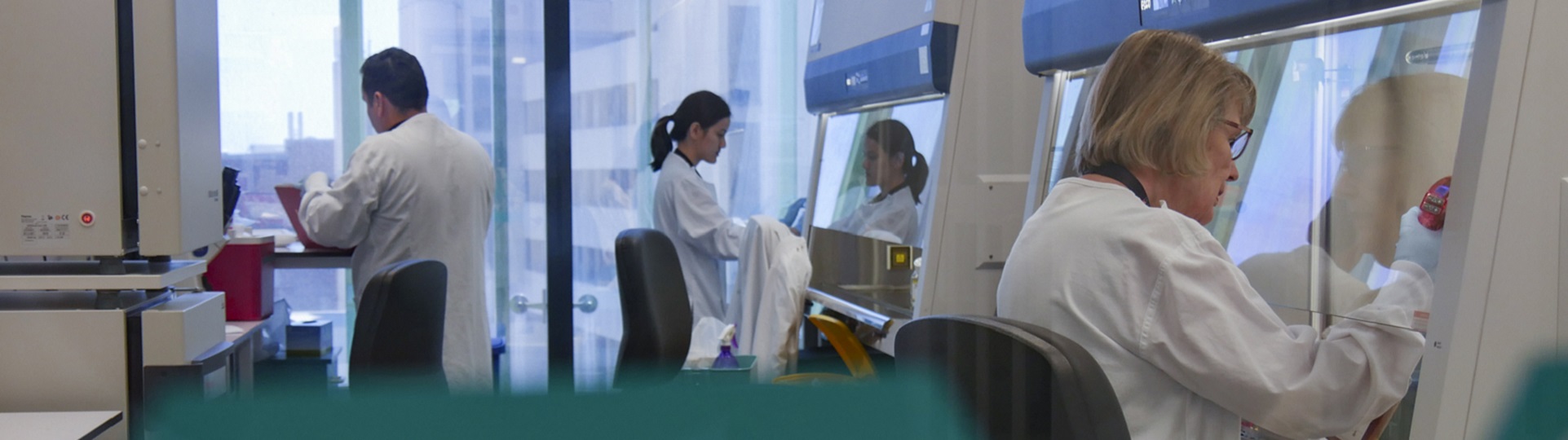
The research focus of the The Kids Cancer Centre is on developing safe new treatments for childhood cancers, including brain cancer, sarcoma, leukaemia and neuroblastoma.
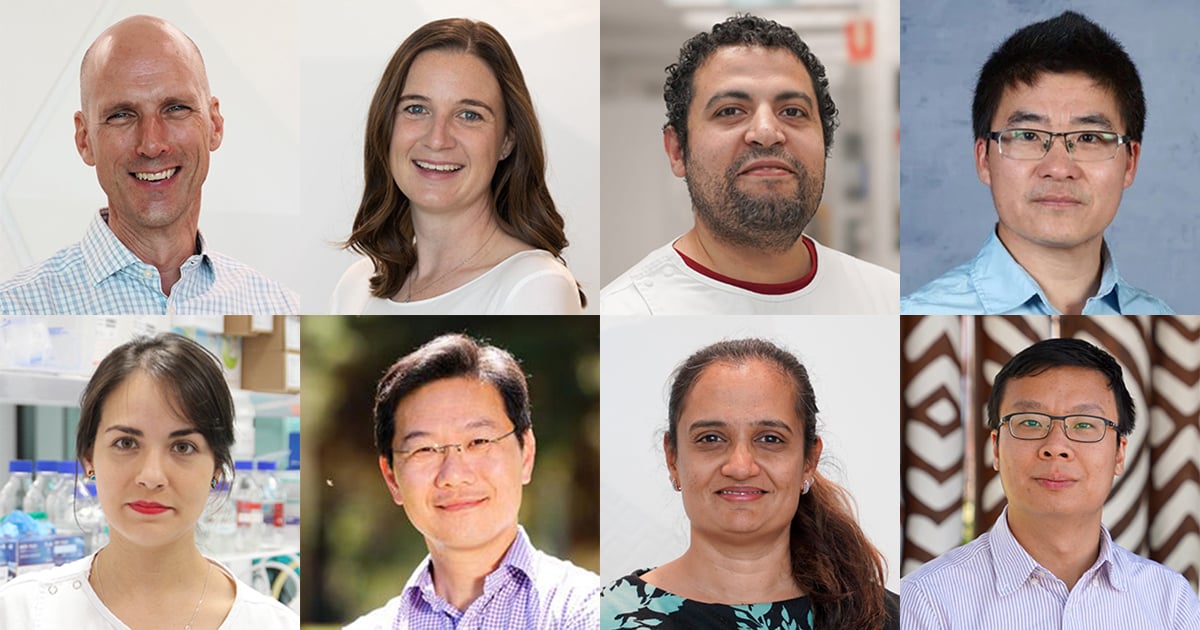
The research of the The Kids Cancer Centre is undertaken by laboratory-based scientists, paediatric oncologists, computational biologists, and many higher degree (mainly PhD) and Honours students. Our research is organised into collaborative programs of laboratory-based and translational research.
Our goal is to discover new therapies - therapies that are more effective and less toxic - to fight the most aggressive cancers in babies and children. Our research focuses on:
- Harnessing the power of the body's own immune system to fight cancer cells via immunotherapy.
- Determining why apparently similar cancer cells from individual patients respond differently to treatment.
- Testing existing drugs and new compounds to improve patient outcomes.
- Understanding the biology of individual cancers to identify weaknesses to target with therapies.
- Developing new treatments with industry partners to feed our drug development pipeline.
The WA Kids Cancer Centre has a game changing approach for fighting childhood cancer
Our research strategy is to use our world-first childhood cancer laboratory models to investigate potential new cancer immunotherapies and personalised medicines.
Immunotherapy is an exciting cancer treatment that works by engaging the body’s own immune response to fight the cancer. It promises to be an effective and safe cancer therapy that does not cause the collateral damage of conventional treatments. Immunotherapy has fulfilled this promise for adults with extraordinary results in some cancers. Sadly, the development of immunotherapy treatments for children falls far behind.
Personalised medicine involves performing detailed genetic analysis of individual children with cancer and using the information gained to treat them with drugs that are precisely targeted to the individual tumour. All children with cancer treated in Perth undergo such genetic testing, allowing us to use the genetics of individual’s tumours to inform both treatment development in the laboratory and clinical trial opportunities on the ward.
Our goal is to develop such promising and safe treatments to defeat childhood cancers and reduce the need for toxic chemotherapies and radiotherapies.
If you are interested in potential research collaborations, please contact us.